


Understanding REM and RAM:
Used Furniture Buyers in Dubai, Sleep is one of the most vital processes for human health, yet it remains one of the most mysterious. Over the years, researchers have discovered that not all sleep is the same. Within the nightly cycles of rest, two key elements play a critical role: REM sleep and the brain’s memory functions, often compared metaphorically to computer RAM. Together, these concepts—sometimes discussed together as rem ram—help us understand how the brain restores itself, processes experiences, and prepares us for the challenges of daily life.
What Is REM Sleep?
Rapid Eye Movement, or REM, is a unique sleep state that was originally recognized in the 1950s. Brain activity surges, the eyes move fast behind closed eyelids, and vivid dreams are common during this phase. Unlike the deep, slow-wave sleep stages, REM sleep is characterized by heightened activity in brain regions linked to learning, problem-solving, and creativity.
Sleep alternates between non-REM and REM stages at roughly 90-minute intervals over the night. About 20–25% of an adult’s entire sleep period is spent in REM. Scientists believe this stage is crucial for consolidating emotional experiences, regulating mood, and supporting long-term memory. Without adequate REM sleep, people often experience irritability, poor focus, and even difficulty recalling important information.

What Is RAM in the Brain?
In the digital world, RAM (Random Access Memory) refers to a computer’s short-term memory. To enable speedy system access, it temporarily stores data. The human brain has a similar mechanism, though far more complex. Our short-term memory functions like RAM, holding information for immediate use while the brain decides what is important enough to store in long-term memory.
For example, when you remember a phone number just long enough to dial it, you are relying on short-term memory. If that number is important, and you rehearse it enough, your brain will consolidate it into long-term storage. Sleep, particularly REM sleep, plays a central role in this process.
This interplay between REM sleep and RAM-like memory functions is where the phrase rem ram often comes into discussion.
The Link Between REM and Memory Consolidation:
One of the most fascinating discoveries in neuroscience is how REM sleep strengthens memory. The brain is inundated with new information and experiences while we are awake. This data overload is temporarily stored in the hippocampus, acting like a biological RAM. When we sleep, particularly during REM phases, the brain replays and reorganizes these experiences, transferring essential information into long-term storage within the neocortex.
Think of it like a computer saving temporary files onto a permanent hard drive. Without REM sleep, the transfer is incomplete, and many of the day’s lessons or experiences fade away. This explains why students who pull all-nighters often struggle to recall information, even if they studied intensely. The lack of a proper rem ram cycle disrupts the consolidation process.
Dreams: The Creative Side of REM:
Another striking aspect of REM sleep is dreaming. Dreams often feel vivid, emotional, and sometimes bizarre. While once dismissed as random mental activity, modern research suggests dreams serve practical purposes. They may help us process emotions, solve problems creatively, and rehearse potential scenarios for real-life challenges.
Some of history’s most groundbreaking ideas—such as scientific discoveries, musical compositions, and even works of literature—were reportedly inspired by dreams. The phenomenon shows that the rem ram connection does not just help with memory; it also enhances innovation.
What Happens When REM Sleep Is Disrupted?
A lack of sufficient REM sleep can have wide-ranging effects:
Memory Impairment
Difficulty retaining new information or recalling recent events.
Emotional Instability
Increased irritability, stress, or symptoms of anxiety and depression.
Weakened Immunity
The body repairs itself during sleep; REM deprivation may compromise this process.
Reduced Problem-Solving Ability
A tired brain struggles with focus and decision-making.
Conditions like sleep apnea, insomnia, or irregular sleep schedules can all reduce REM sleep. Even lifestyle habits, such as excessive caffeine or alcohol consumption, interfere with the natural rem ram cycle.
Case Studies and Research on REM and Memory:
Several studies illustrate the significance of the rem ram connection:
The Student Experiment
In one trial, college students were requested to remember lists of verbs. Half were allowed a full night’s rest with REM cycles, while the others stayed awake. The group that slept performed significantly better in recall tests, proving that REM sleep boosts memory consolidation.
The PTSD Connection
Veterans with post-traumatic stress disorder often report disrupted REM sleep. Research suggests their brains struggle to process traumatic experiences because the rem ram balance is disturbed, leading to recurring nightmares and heightened stress responses.
Creativity Tests
Scientists have also found that participants awakened from REM sleep are more likely to solve puzzles and generate creative ideas compared to those awakened from non-REM stages.
These studies reinforce the idea that without the right rem ram rhythm, both memory and creativity suffer.
Cultural Perspectives on Sleep and Memory:
Interestingly, different cultures have long recognized the importance of dreams and rest in learning. Ancient Greeks believed dreams carried messages from the gods, while many Indigenous traditions saw dreams as guiding visions. Eastern philosophy holds that harmony and balance depend on the mind’s nighttime reset. Although modern science uses terms like rem ram to explain these processes, the wisdom behind valuing dreams and deep sleep has existed for centuries. What has changed is our ability to map brain activity and understand the neurological reasons behind these age-old beliefs.
How to Improve the REM–RAM Connection?
Supporting healthy sleep patterns is one of the best ways to ensure both REM and memory function operate optimally. Here are some science-backed tips:
Maintain a regular sleep schedule
Going to bed and waking up at consistent times strengthens the body’s circadian rhythm.
Restrict stimulants
Steer clear of nicotine, coffee, and large meals right before bed.
Create a restful environment
A cool, dark, and quiet room enhances sleep quality.
Reduce screen exposure
Blue light from devices interferes with melatonin production, delaying REM onset.
Practice relaxation
Meditation, deep breathing, or reading before bed can ease the transition into restorative sleep.
Exercise regularly
Moderate daily activity supports deeper sleep cycles.
By adopting these habits, you allow the brain to cycle naturally through its stages of sleep, supporting both emotional balance and mental clarity.
The Role of Technology in Studying REM and RAM:
Advancements in technology have given scientists more tools to explore the brain’s mysteries. EEG machines, for example, can track electrical activity during REM sleep, while MRI scans reveal which regions light up when memories are processed.
There are also wearable devices on the consumer market that claim to track REM sleep. While not as precise as clinical equipment, these tools give people insights into their own rem ram cycles, encouraging healthier habits. In the future, we may see even smarter devices that help regulate sleep patterns in real time.
Common Questions About REM and RAM:
How much REM sleep do we need?
Most adults need between 90–120 minutes of REM each night, which typically comes from 7–9 hours of total sleep.
Is dreaming the same as REM sleep?
Not exactly. While most vivid dreams occur in REM, dreaming can also happen in lighter sleep stages.
Can naps include REM sleep?
Yes, but only longer naps (over 60 minutes) usually reach the REM stage. Short naps mainly restore alertness through non-REM rest.
What happens to memory if REM sleep is skipped?
Information stored in short-term memory may not transfer to long-term memory, reducing learning and recall ability.
Can improving sleep prevent diseases?
Research suggests good rem ram balance may lower the risk of Alzheimer’s, depression, and other conditions, though more studies are ongoing.
REM, RAM, and the Future of Neuroscience:
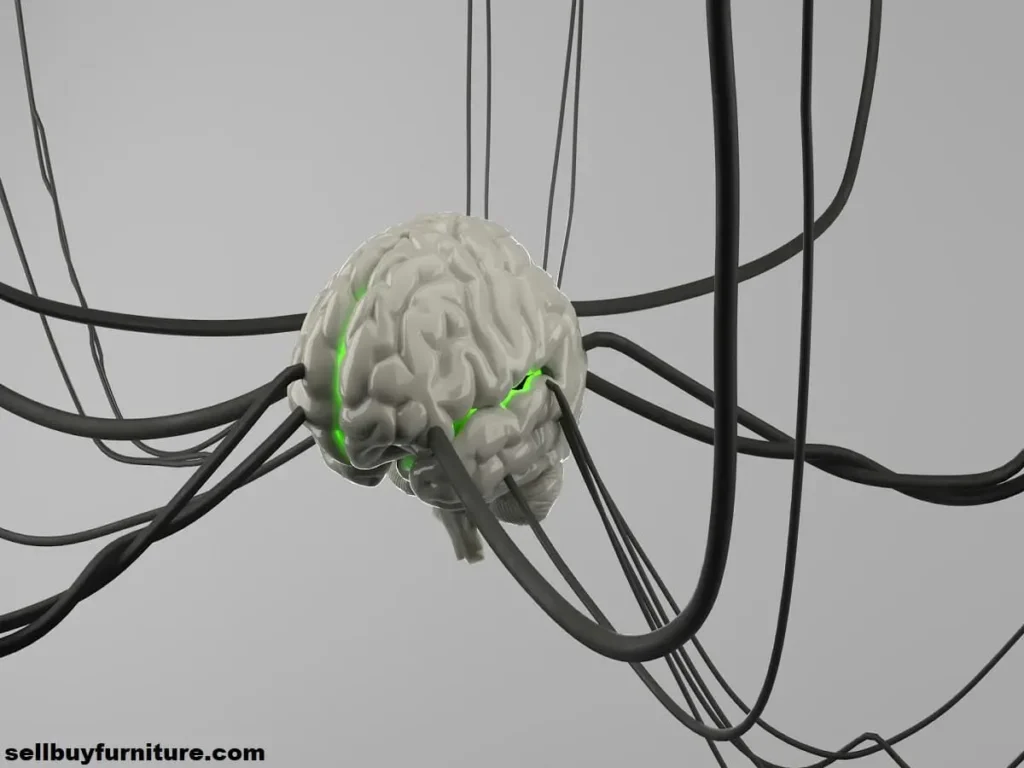
Modern neuroscience continues to uncover new details about the relationship between sleep and memory. Emerging studies suggest REM sleep is not only about storing information but also about reorganizing neural networks. This reorganization could explain why people often wake up with a “fresh perspective” on problems they struggled with the night before.
Moreover, understanding the rem ram connection has clinical importance. Researchers are exploring how disrupted REM sleep contributes to conditions such as Alzheimer’s disease, PTSD, and depression. Therapeutic approaches that improve sleep quality may hold the key to preventing or treating these disorders.
Conclusion:
The interplay of REM sleep and RAM-like memory processes forms a powerful partnership for human health and cognition. Together, they help the brain recover, learn, and innovate. The concept of rem ram may sound simple, but it reflects a deeply complex biological system that scientists are still unraveling.
When we respect our body’s need for rest, we not only feel more energized but also give our brain the tools it needs to store memories, process emotions, and unlock creativity. In a world that often glorifies sleepless hustle, understanding the value of rem ram reminds us that true productivity begins with quality sleep.